

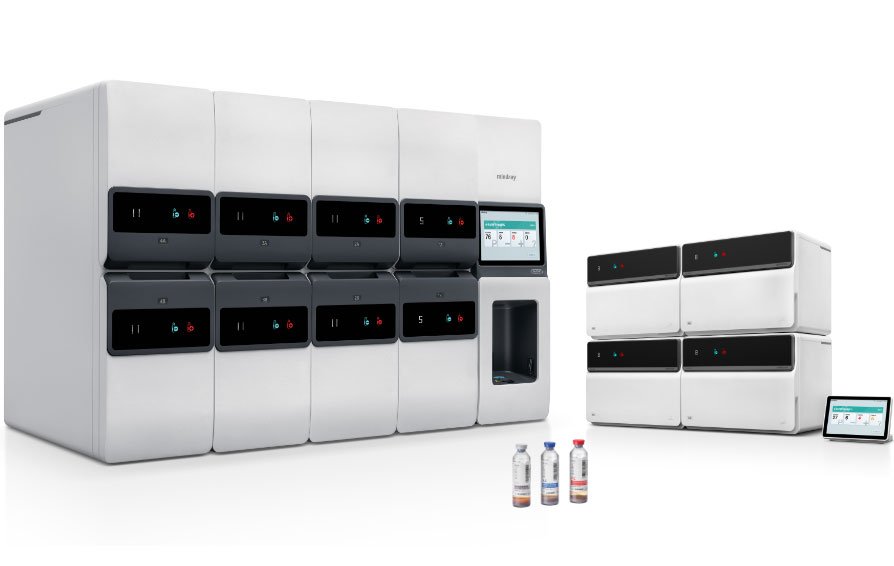

Mindray Automated Microbial Culture System FA-N Series
Introduction:
Rapid diagnosis of bloodstream infection with optimized workflow
参考价:
FA-N60:US$28,000–35,000 / FA-N120:US$55,000–65,000 / FA-N240:US$70,000–85,000
Overview
· Automated microbial culture system for rapid detection of bloodstream infections
· Colorimetric detection with an algorithm optimized for slow-growing microorganisms
· New blood culture bottles with MPC resin for neutralizing multiple antimicrobial agents
· MPC resin covers 17 categories of antimicrobials
· Supports aerobic, anaerobic and pediatric blood culture bottles
· Integrated blood volume monitoring technology
· Modular capacity from 60 to 480 bottles
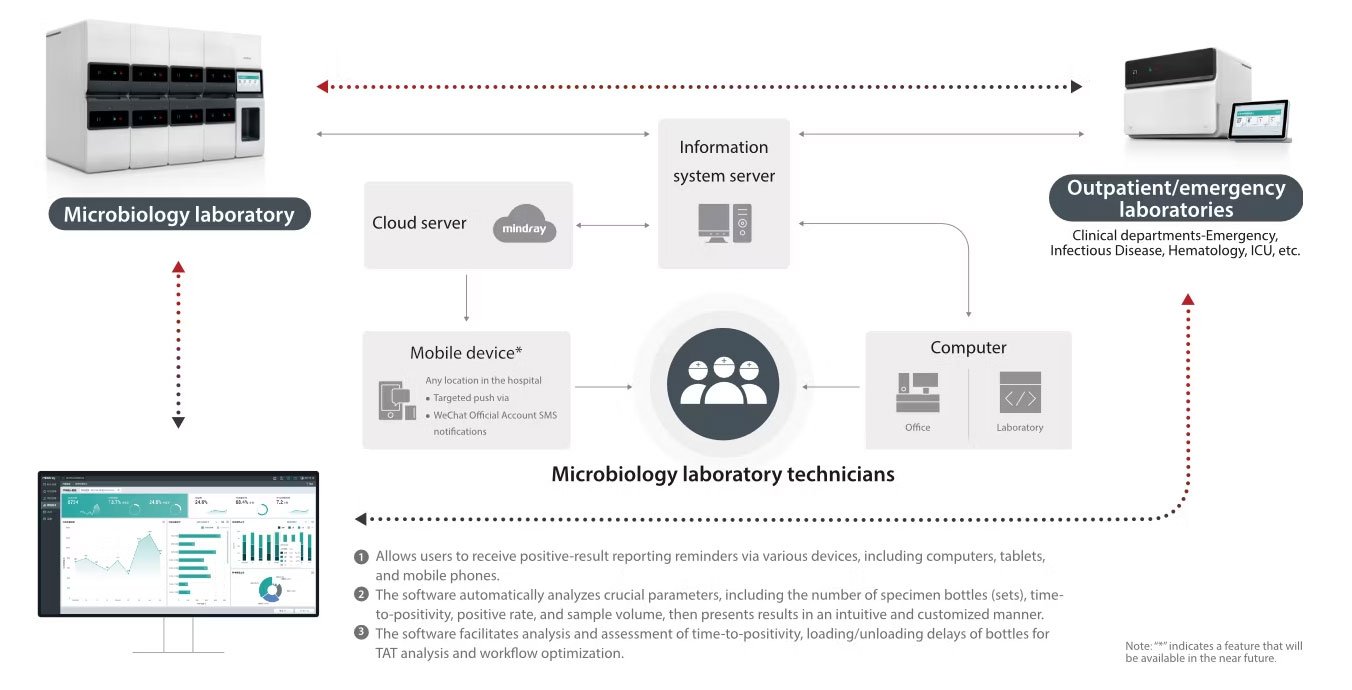
· Intelligent data management with PC, tablet and mobile access
· Suitable for blood and other sterile body fluid samples
Specifications
| Specification | FA-N60 | FA-N120 | FA-N240 |
|---|---|---|---|
| Product Type | Automated Microbial Culture System | Automated Microbial Culture System | Automated Microbial Culture System |
| Detection Principle | Colorimetric | Colorimetric | Colorimetric |
| Main Unit Capacity | 60 bottles | 120 bottles | 240 bottles |
| Maximum Expandable Capacity | 240 bottles | 480 bottles | 480 bottles |
| Base Detection Capacity | 12 bottles/day | 24 bottles/day | 48 bottles/day |
| Expandable Unit | 60-bottle module | 120-bottle module | 120-bottle module |
| Sample Types | Blood and sterile body fluids | Blood and sterile body fluids | Blood and sterile body fluids |
| Culture Bottles | Aerobic / Anaerobic / Pediatric | Aerobic / Anaerobic / Pediatric | Aerobic / Anaerobic / Pediatric |
| Antimicrobial Neutralization | 17 categories | 17 categories | 17 categories |
| Blood Volume Monitoring | Available | Available | Available |
| Data Management | PC / Tablet / Mobile | PC / Tablet / Mobile | PC / Tablet / Mobile |
| System Design | Modular / Scalable | Modular / Scalable | Modular / Scalable |
| Power Supply | 220 V ±22 V, 50 Hz ±1 Hz | 220 V ±22 V, 50 Hz ±1 Hz | 220 V ±22 V, 50 Hz ±1 Hz |
| Power Consumption | 300 VA | 600 VA | 600 VA |
Product Details
1. Enhanced Antimicrobial Neutralization
The FA-N Series uses newly developed blood culture bottles containing Multi-Porosity Cross-Linked (MPC) resin. The resin is designed to neutralize antimicrobial agents that may interfere with microbial growth.
Mindray states that the resin covers 17 categories of antimicrobials, including drugs such as meropenem, vancomycin, levofloxacin, amikacin, colistin and several antifungal agents.
2. Enriched Culture Media
The aerobic and anaerobic culture bottles use enriched media designed to provide multiple microbial growth factors. The system is intended to recover a broad range of bacteria and fungi from blood and other sterile body fluids.
3. Faster Detection of Slow-Growing Microorganisms
The FA-N Series incorporates a customized algorithm for slow-growing microorganisms. Mindray specifically mentions organisms such as Talaromyces marneffei and Cryptococcus neoformans.
The system also reduces interference associated with blood-cell respiration, helping shorten time-to-positivity for certain slow-growing microorganisms.
4. Automated Blood Volume Monitoring
An integrated blood-volume monitoring function helps laboratories evaluate the amount of blood collected for culture. Mindray describes this as a comprehensive monitoring solution supporting quality management, traceability and laboratory workflow analysis.
5. Modular and Scalable Design
The FA-N Series is designed for laboratories with different workload requirements. The FA-N60 can be used as a compact satellite blood culture system in emergency departments or other space-limited areas, while larger configurations can be expanded as sample volumes increase.
6. Intelligent Data Management
The system includes data management software that can deliver positive-result notifications across computers, tablets and mobile devices. It can also analyze information such as specimen volume, testing time, positivity rate and blood collection volume to support laboratory workflow and TAT analysis.
Related Products
-
 United Imaging Low Dose CMOS Mobile C-arm uMC 560iUnited Imaging
 -
 United Imaging Low Dose 3D Mammography System uMammo 890iUnited Imaging
 -
 United Imaging Intelligent Angiography System uAngio® AVIVA CXUnited Imaging
 -
 United Imaging Next Generation Remote-Vision Mobile DR uDR 380i ProUnited Imaging
 -
 United Imaging Automatic Floor Mounted DR uDR 596iUnited Imaging
 -
 United Imaging uCT 960+United Imaging
 -
 United Imaging 40-slice CT uCT 520United Imaging
 -
 United Imaging uAIFI Empowered 1.5T MR uMR 680United Imaging
 -
 United Imaging The World's First Ultra-wide-bore 3T MRI uMR OmegaUnited Imaging
 -
 United Imaging World's First Whole-body UHF 5T MR uMR JupiterUnited Imaging
 -
 United Imaging The World's First Total-Body PET/CT uEXPLORERUnited Imaging
 -
 Mindray TE Air e5M Wireless handheld ultrasound systemMindray
 -
 Mindray Cardiovascular ultrasound System DC-80AMindray
 -
 Mindray Premium Ultrasound System for Radiology Resona A20Mindray